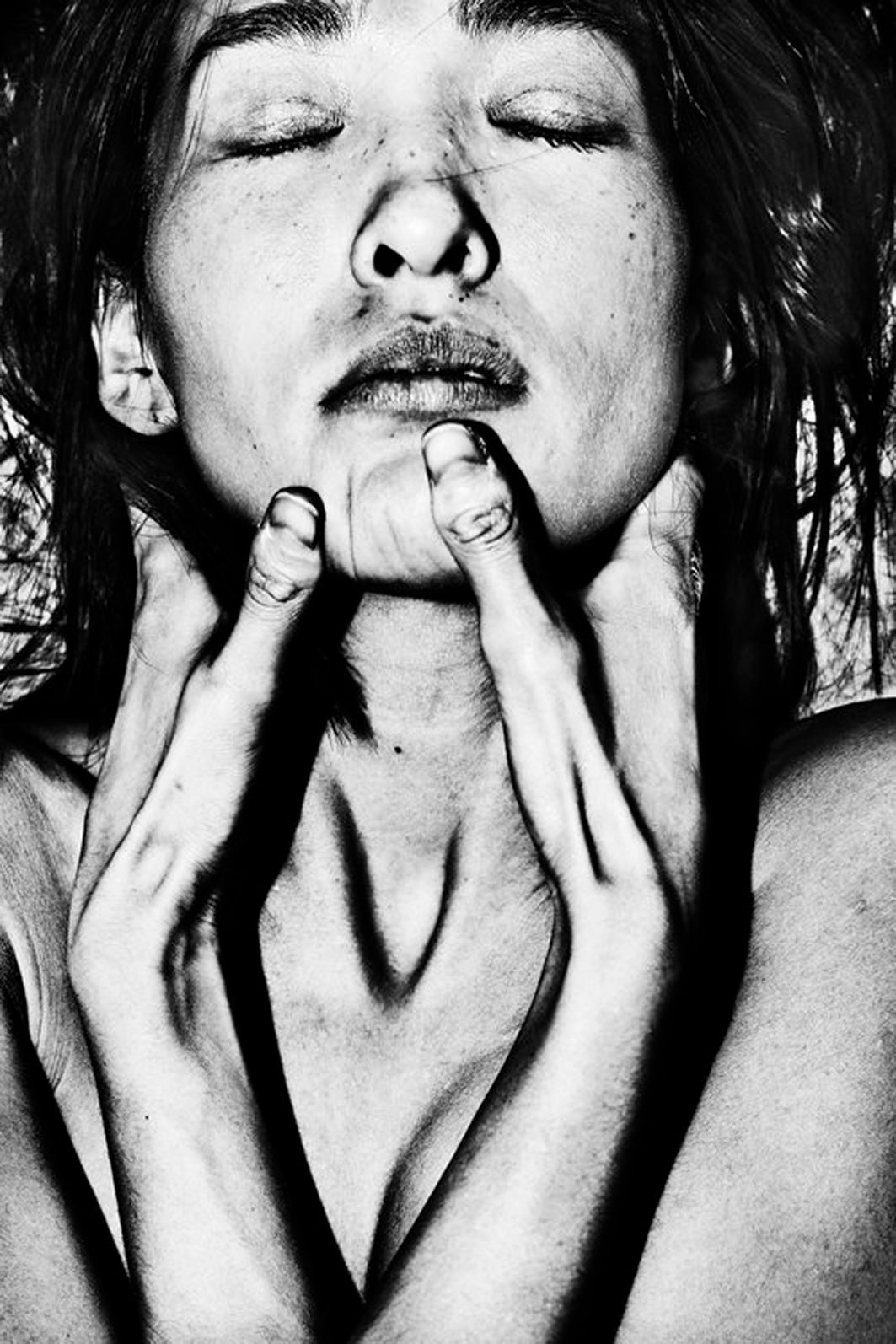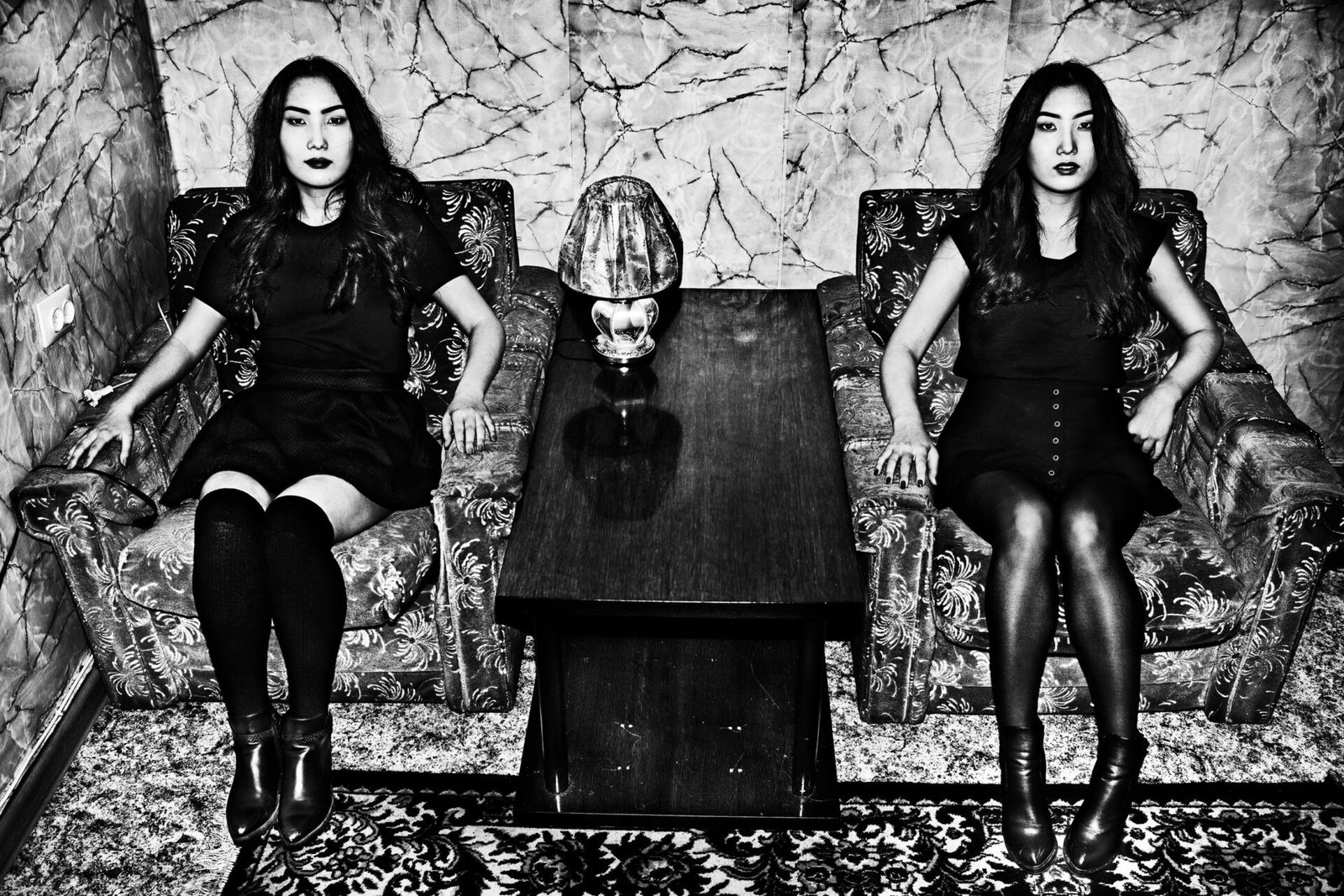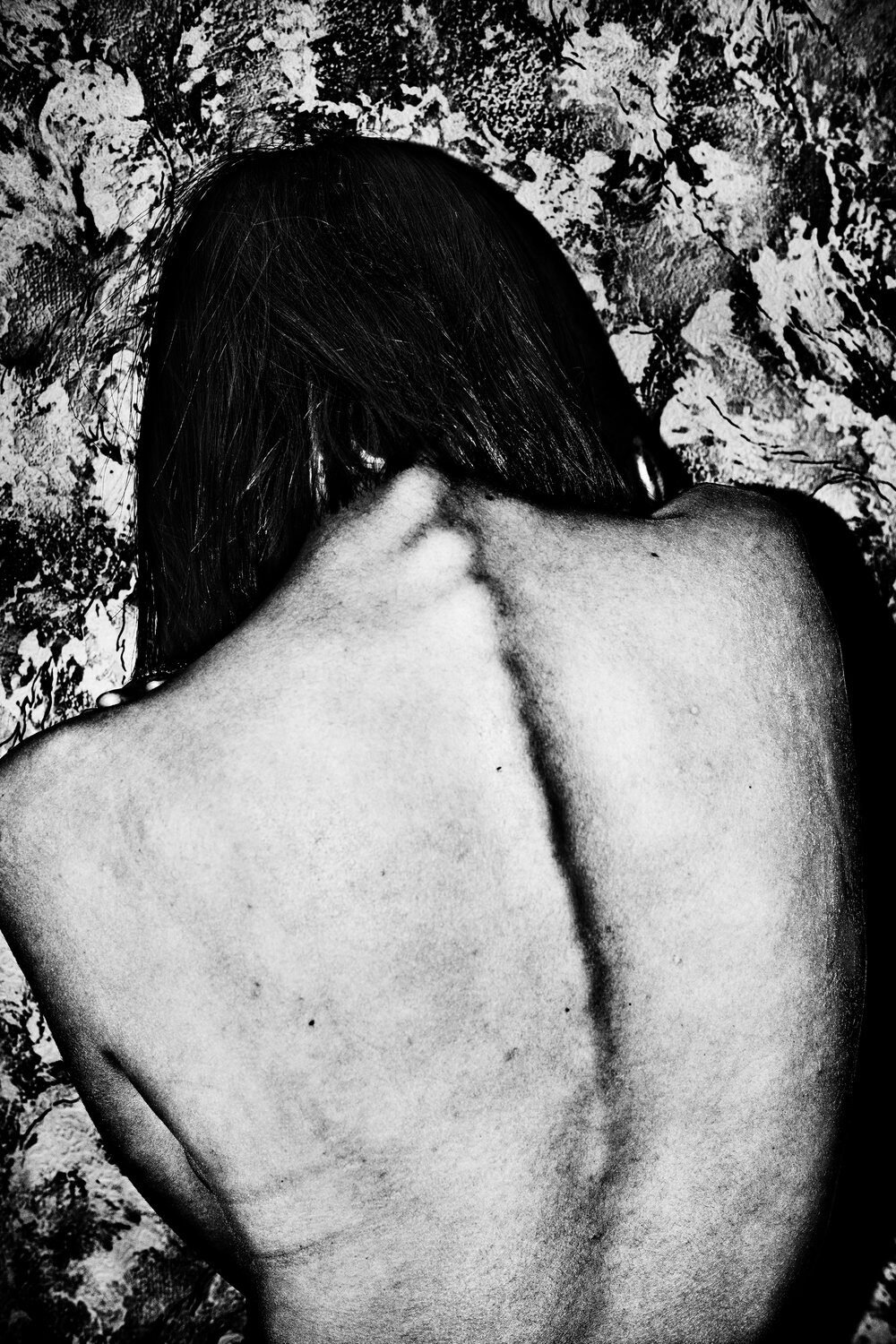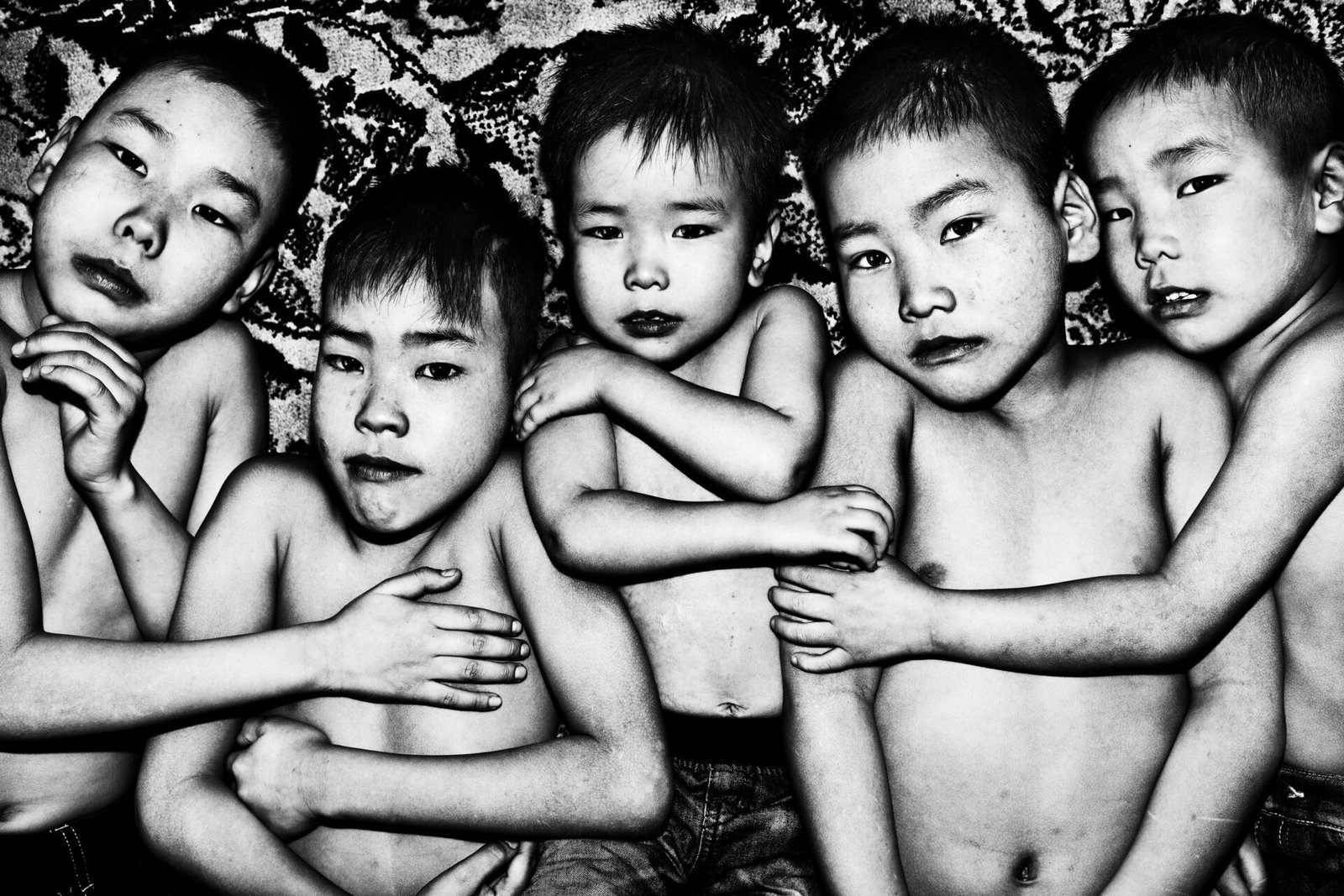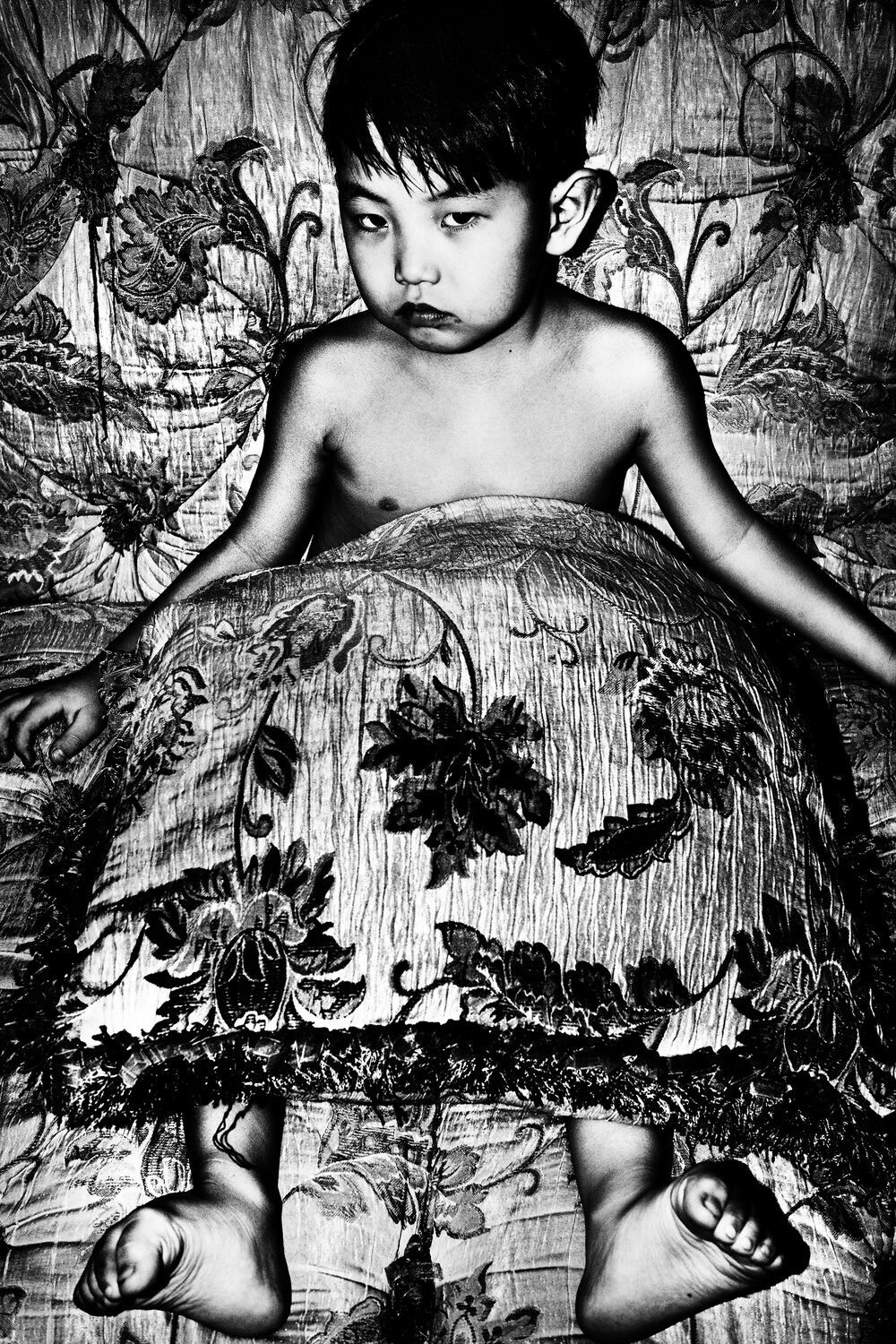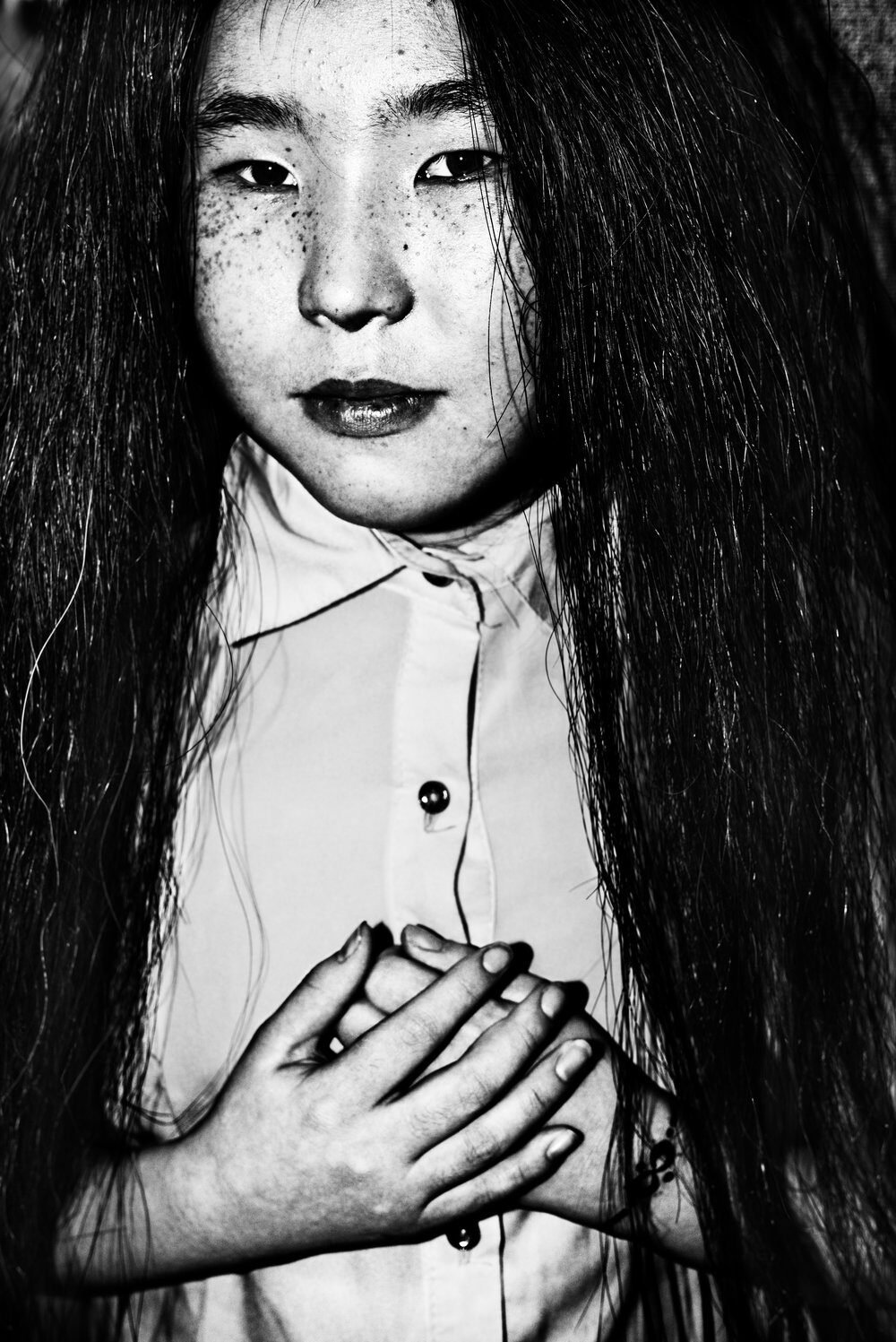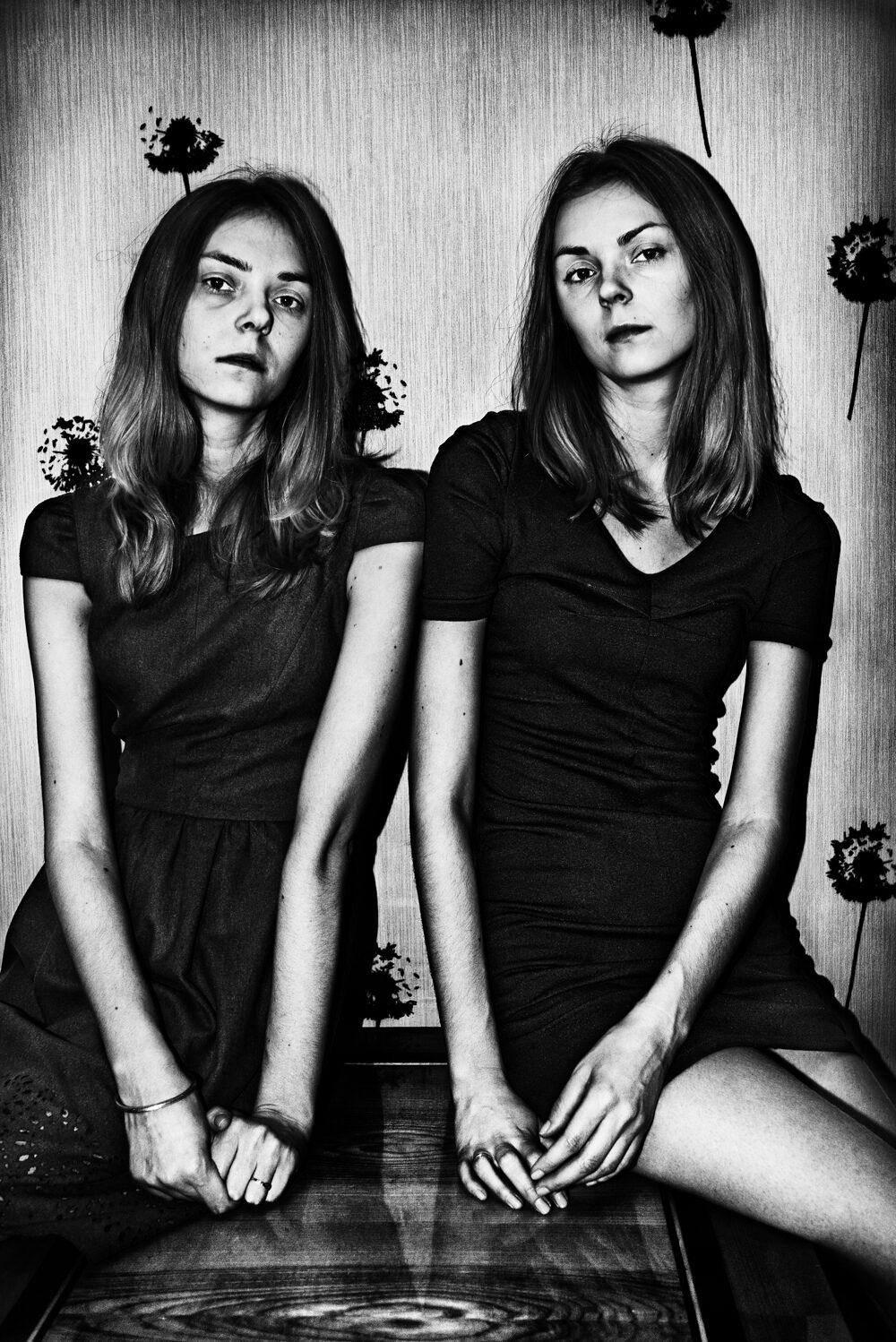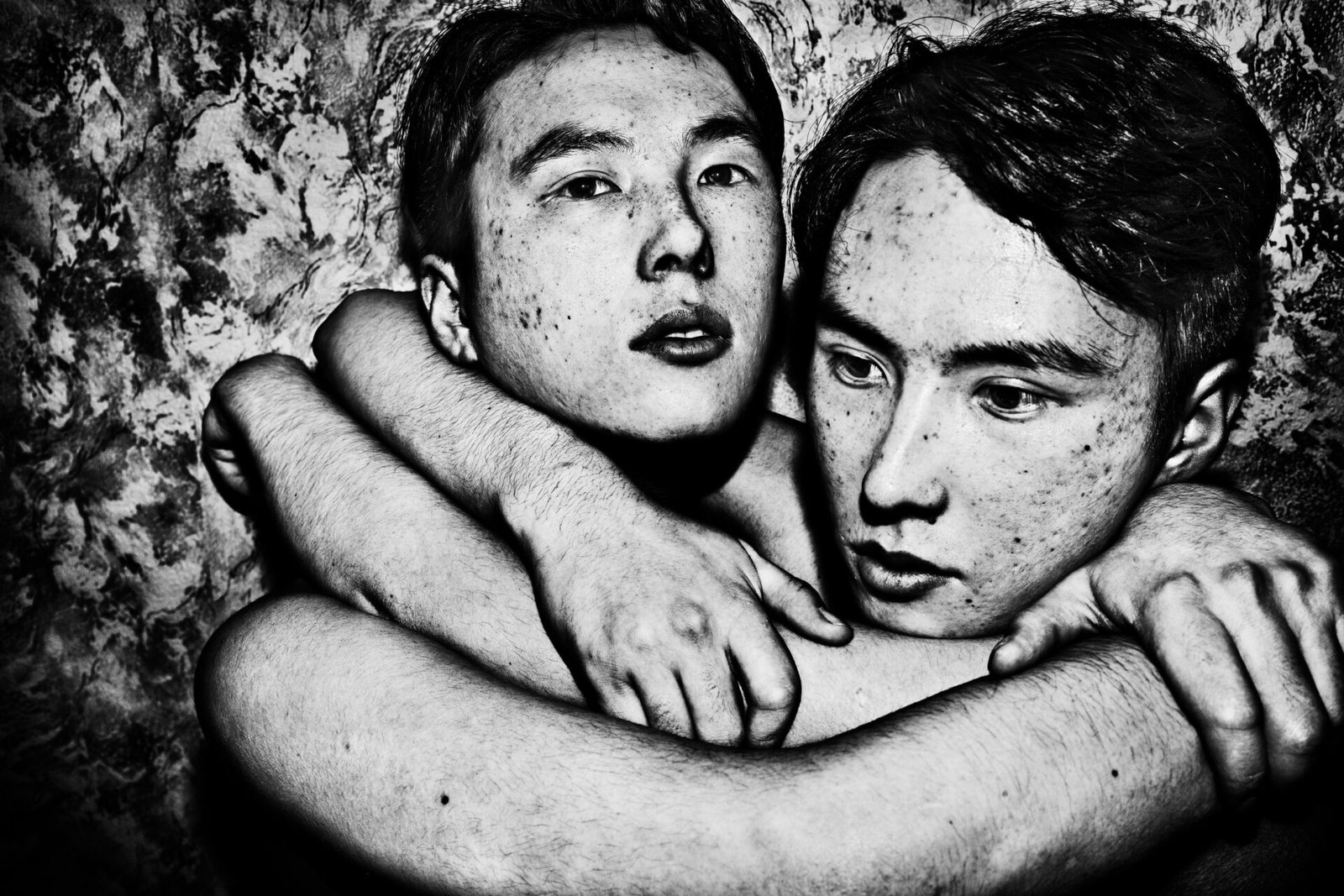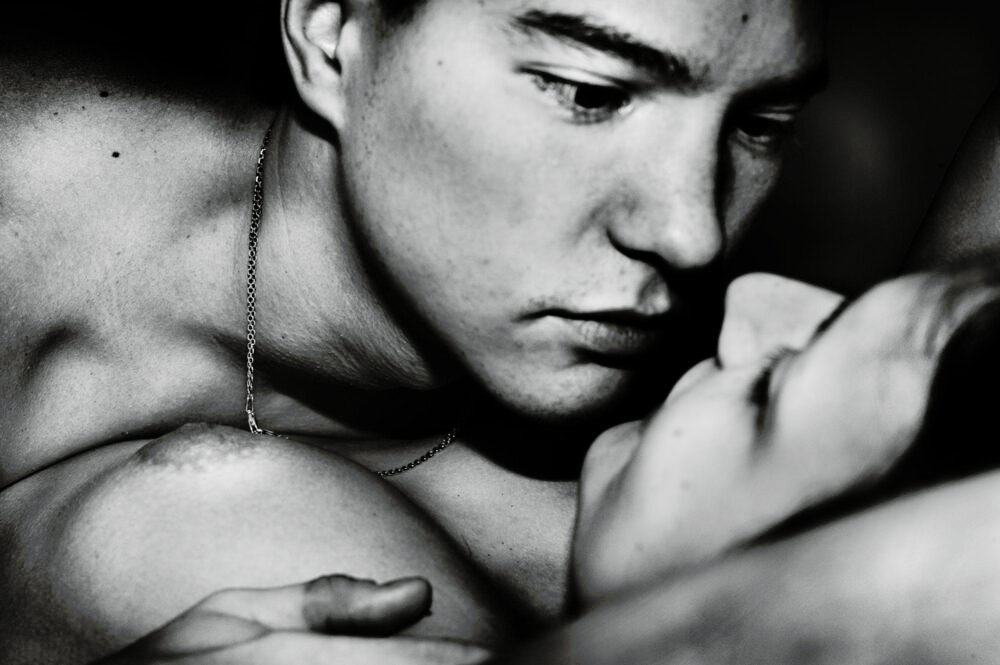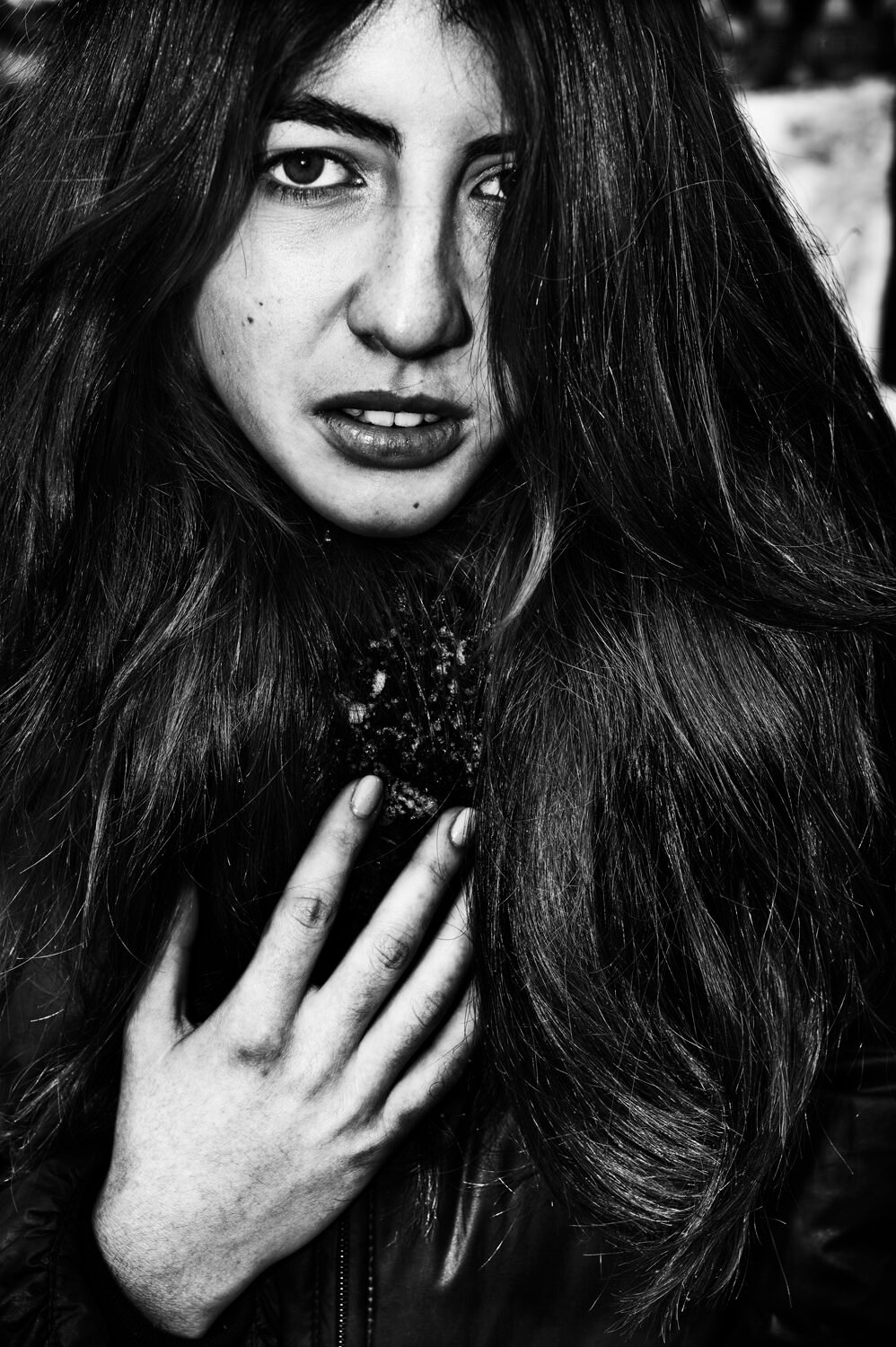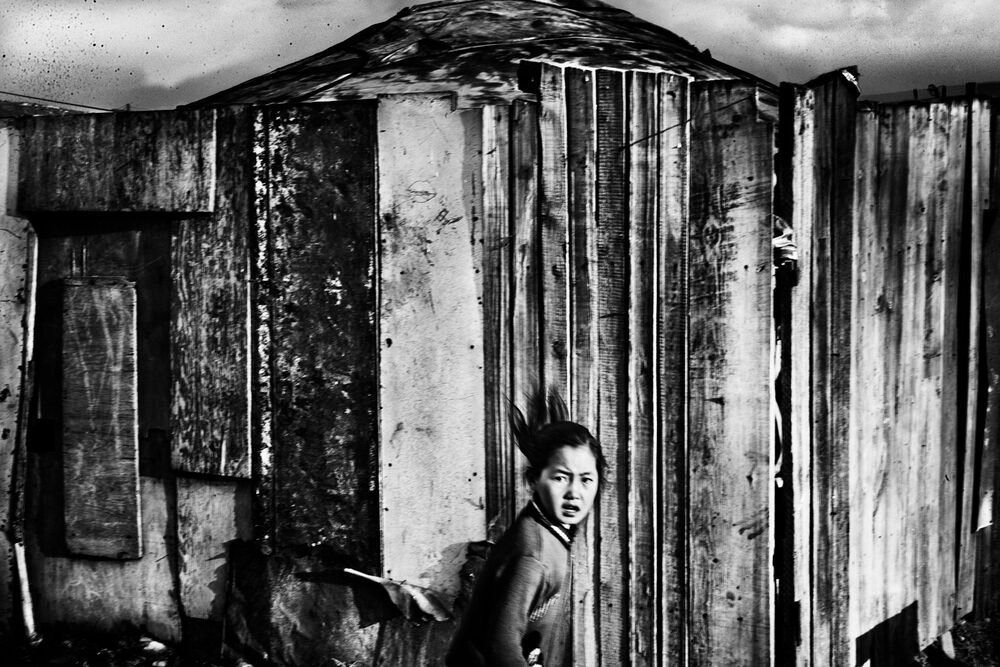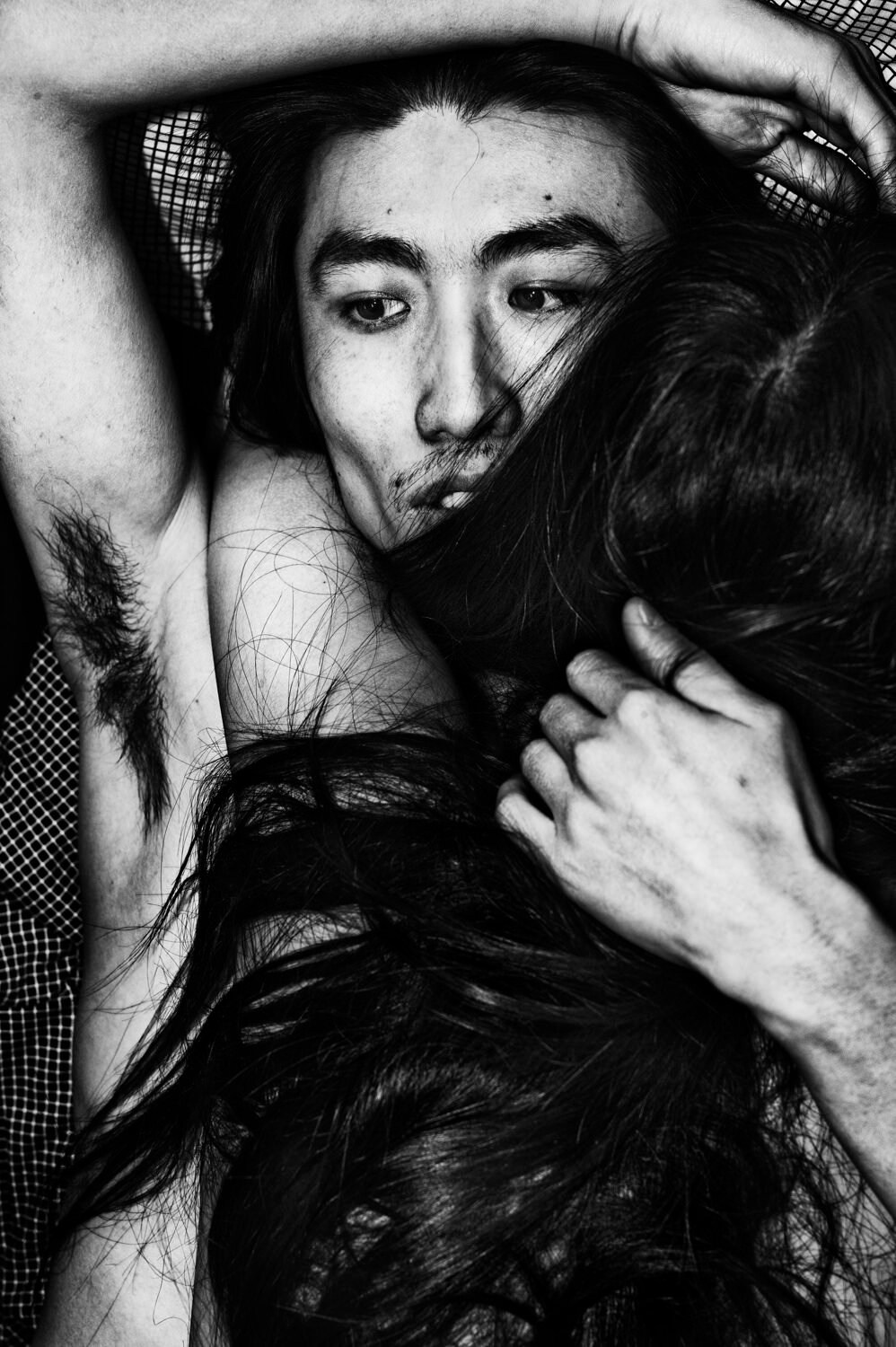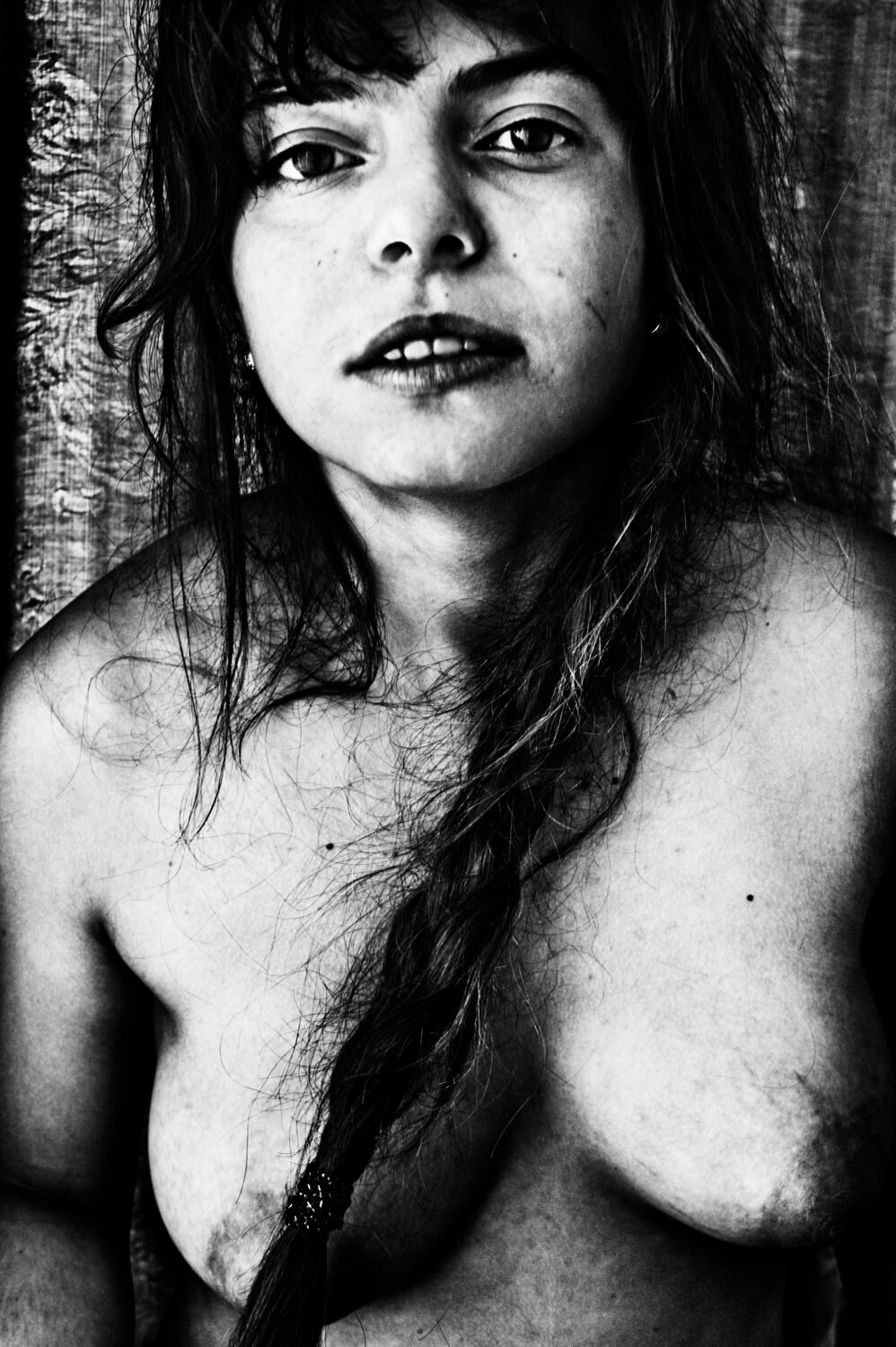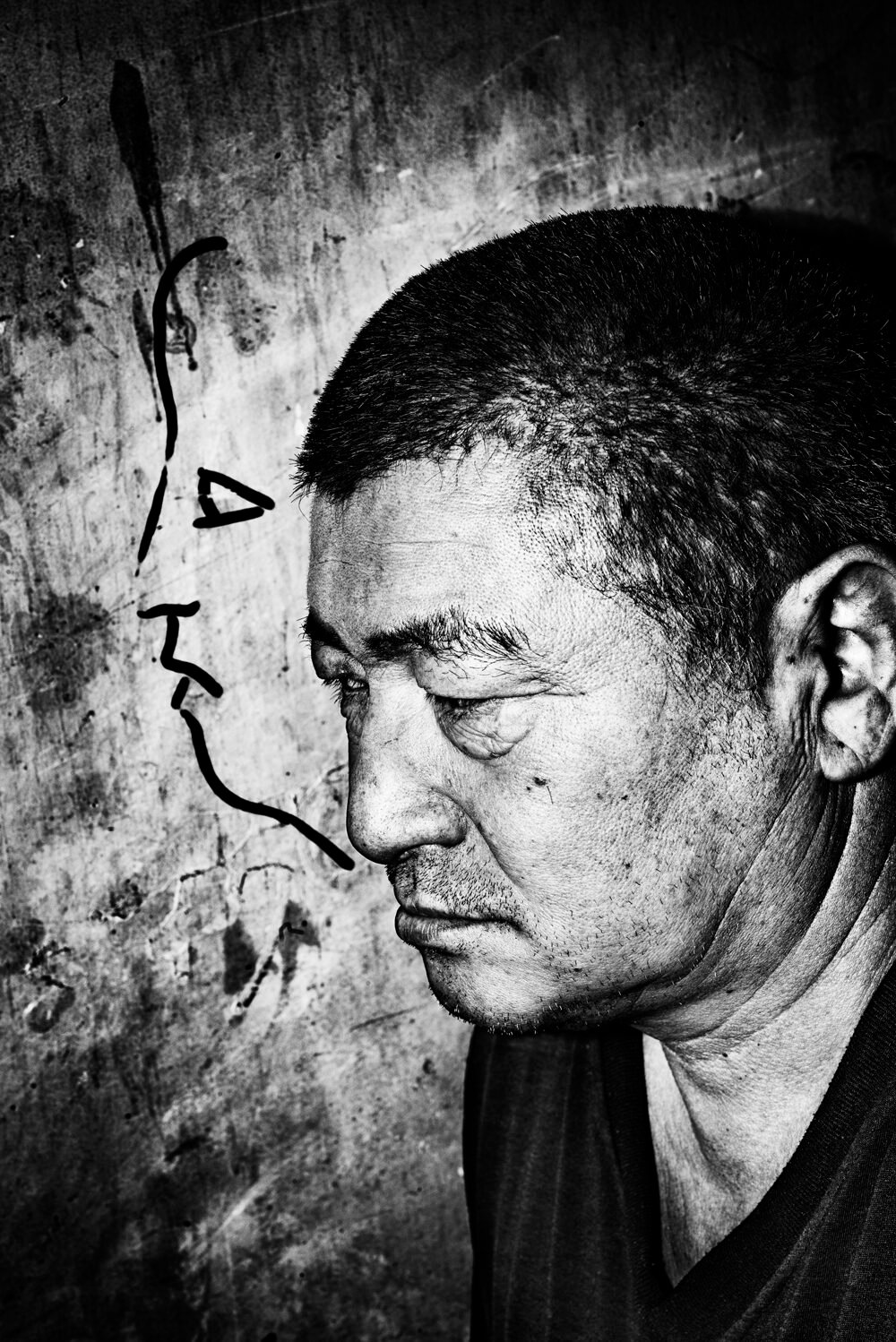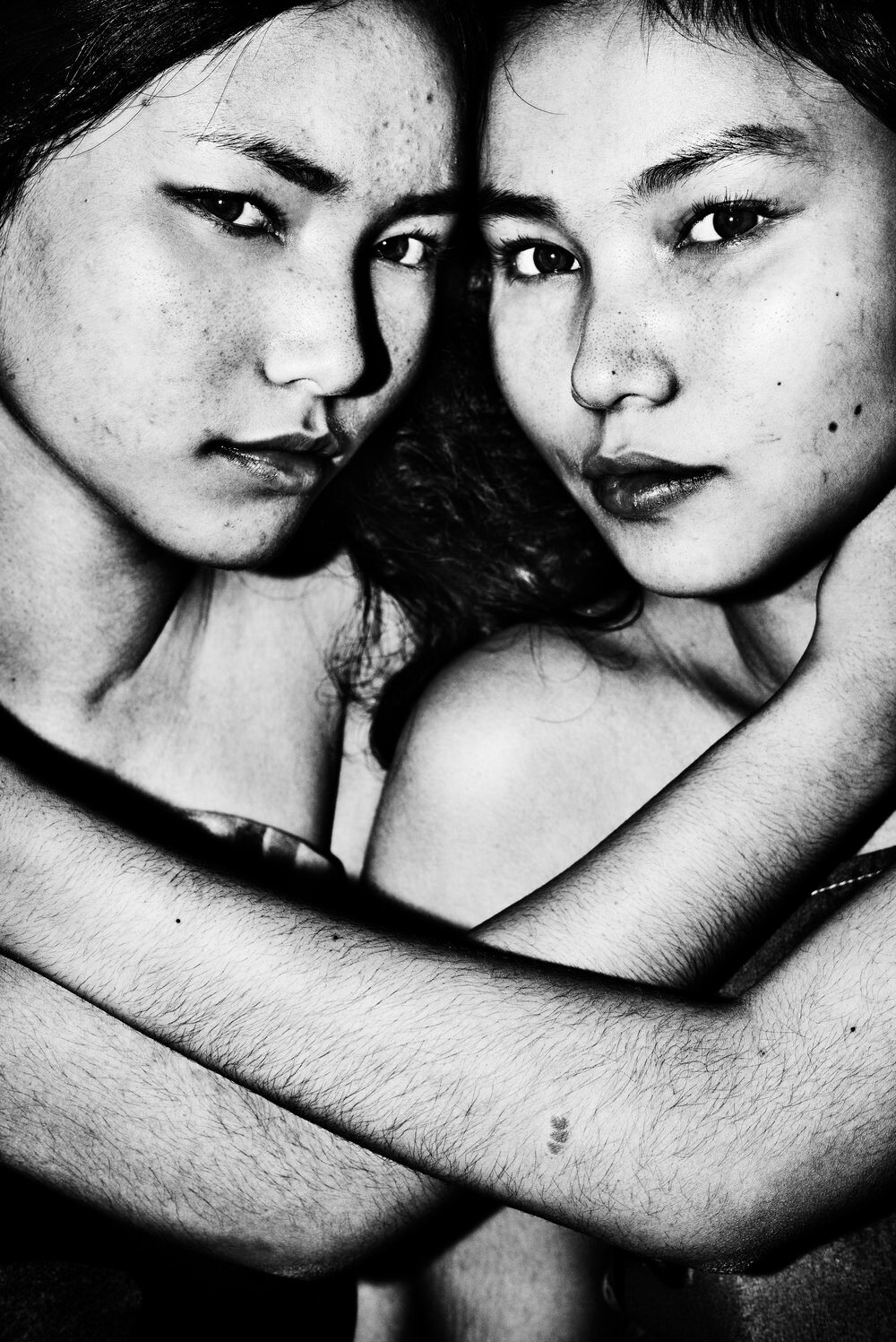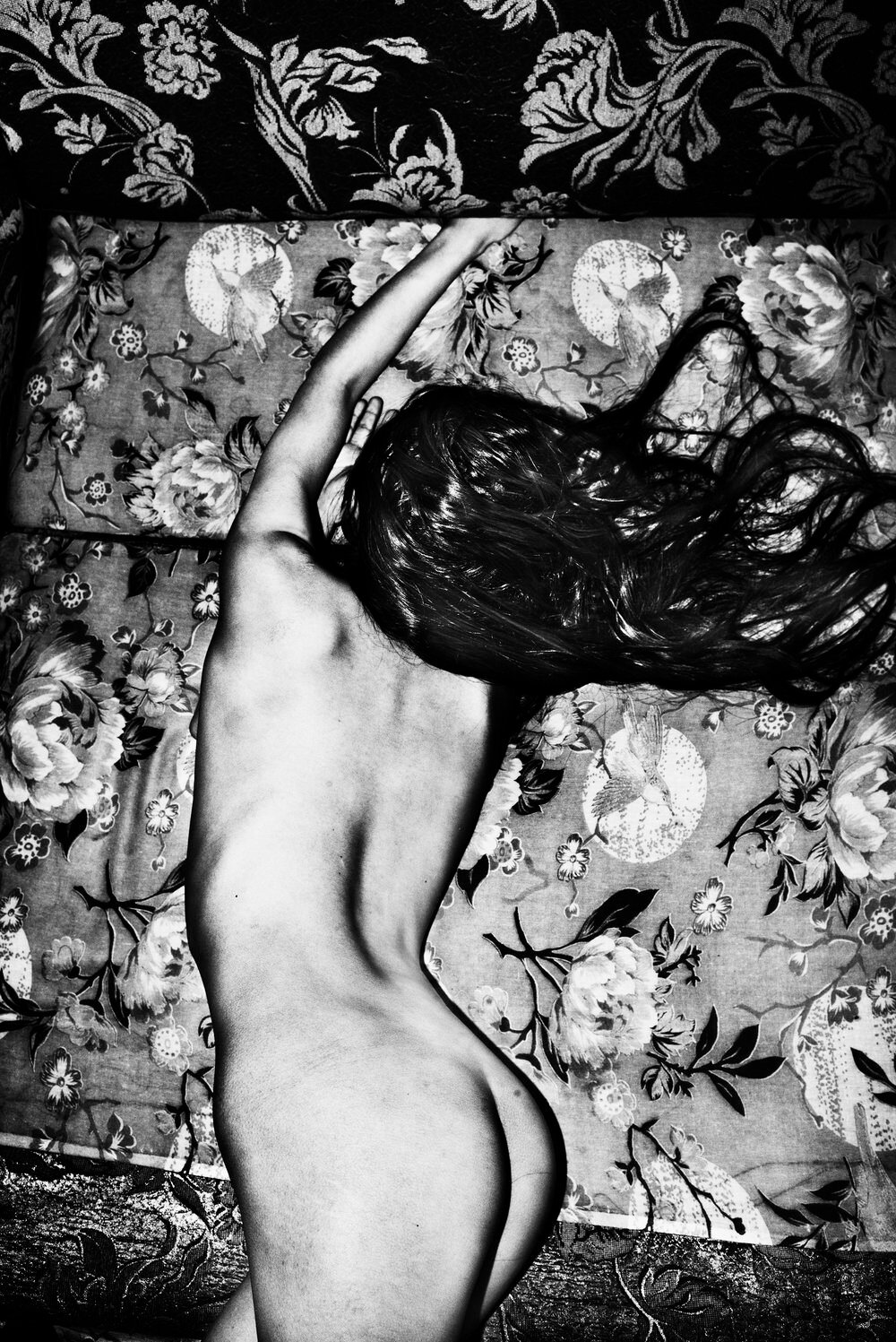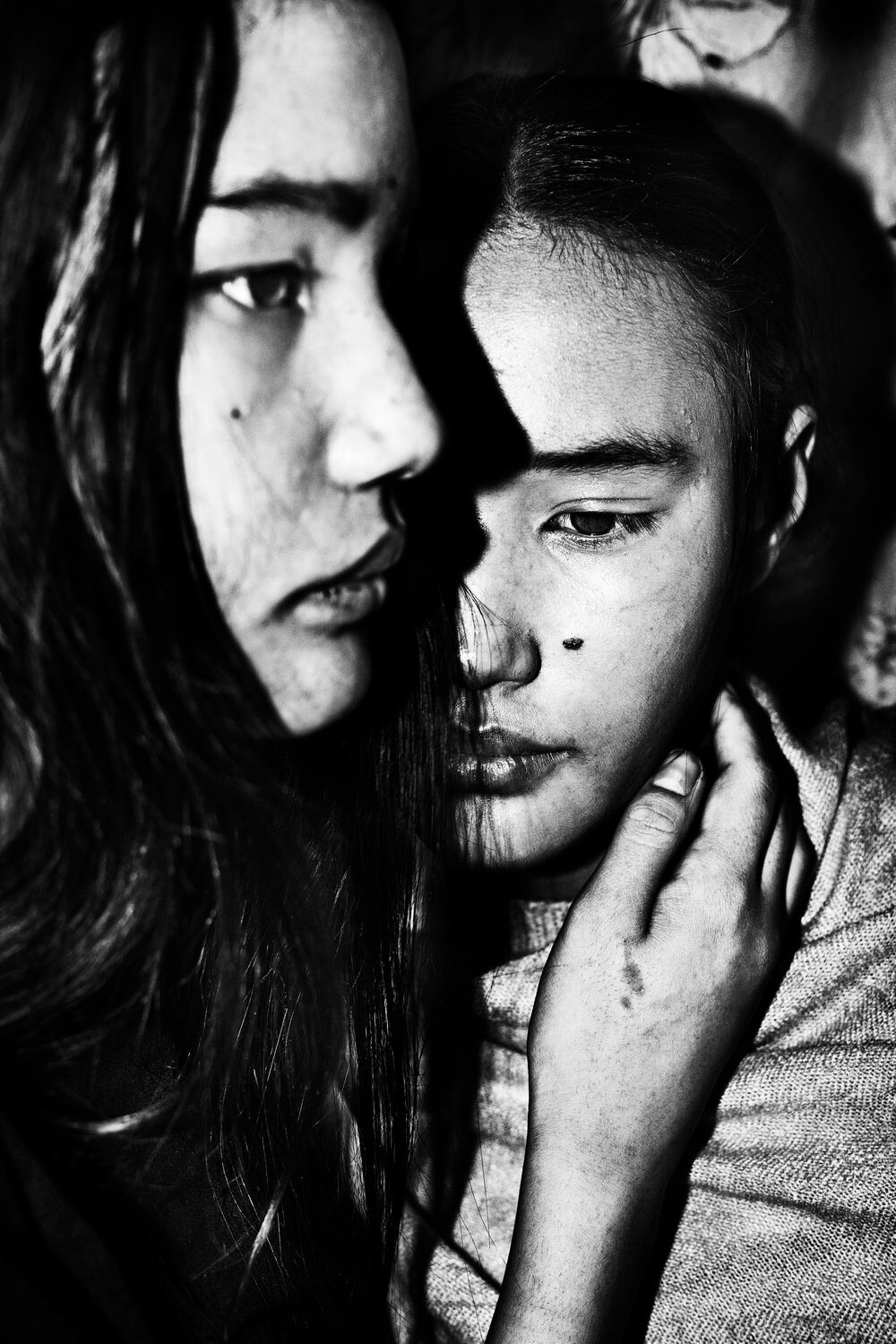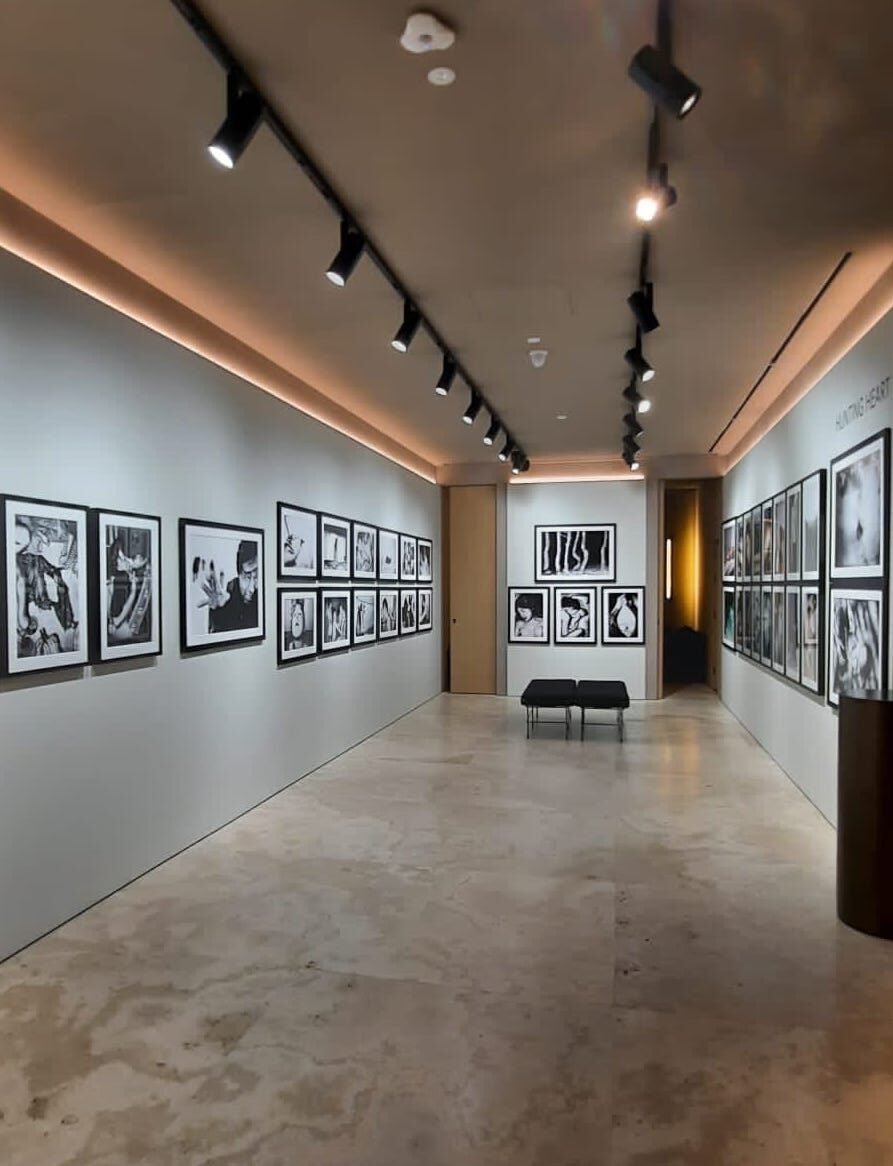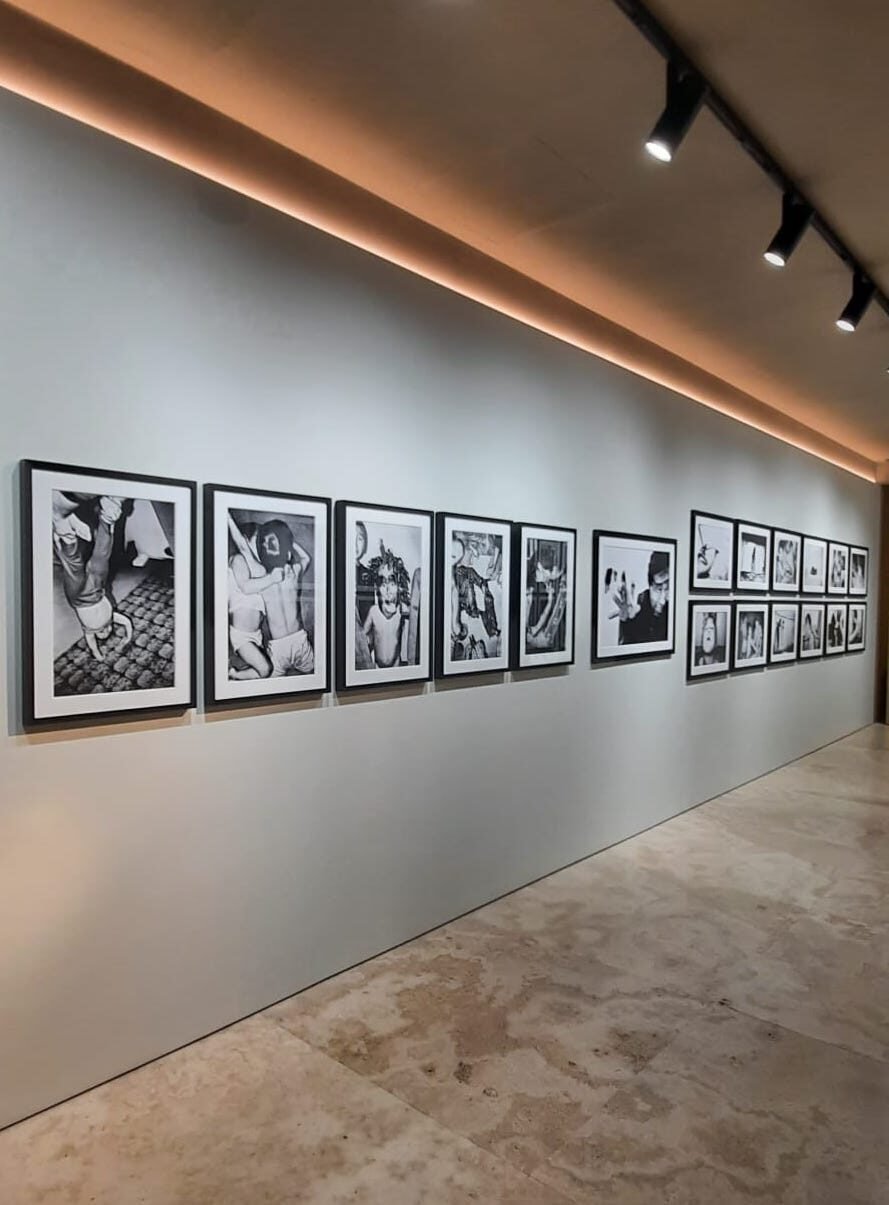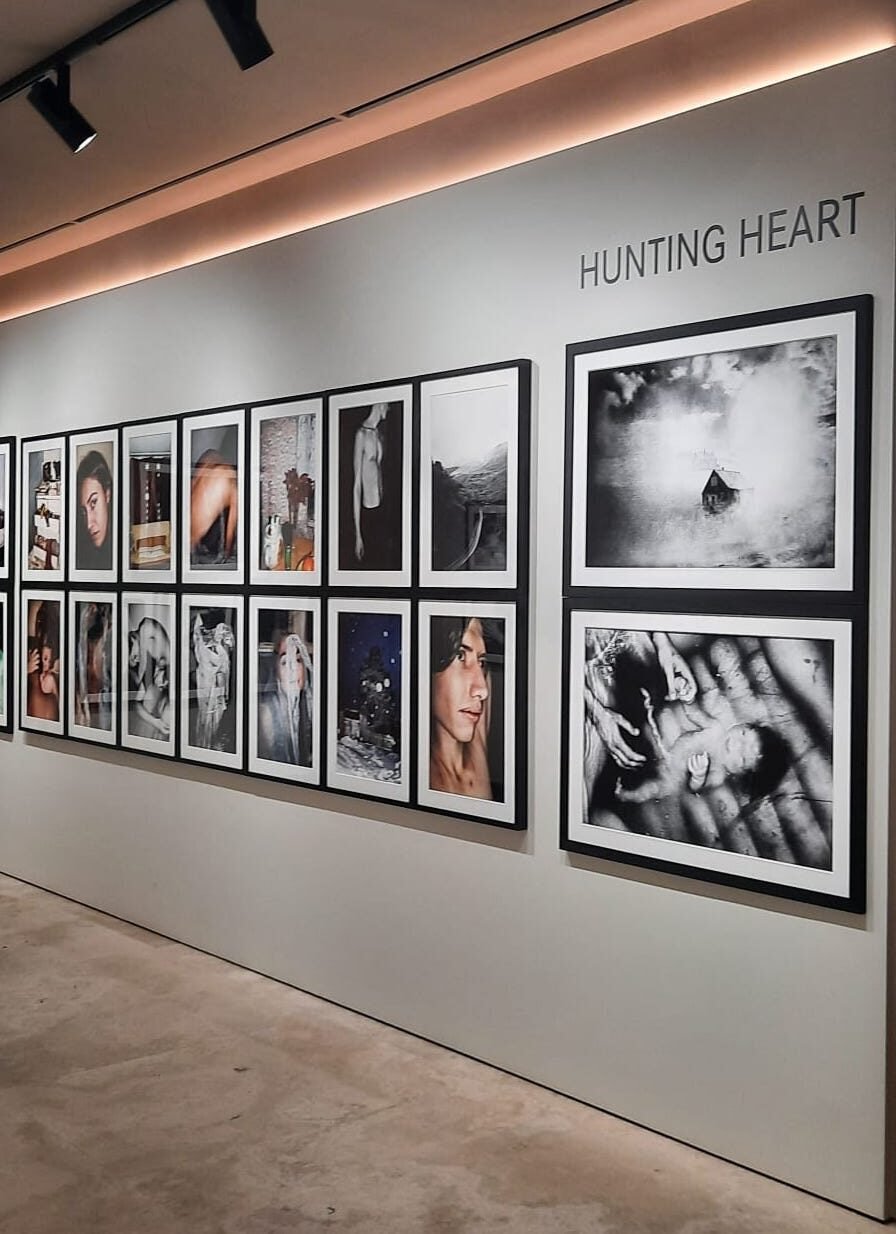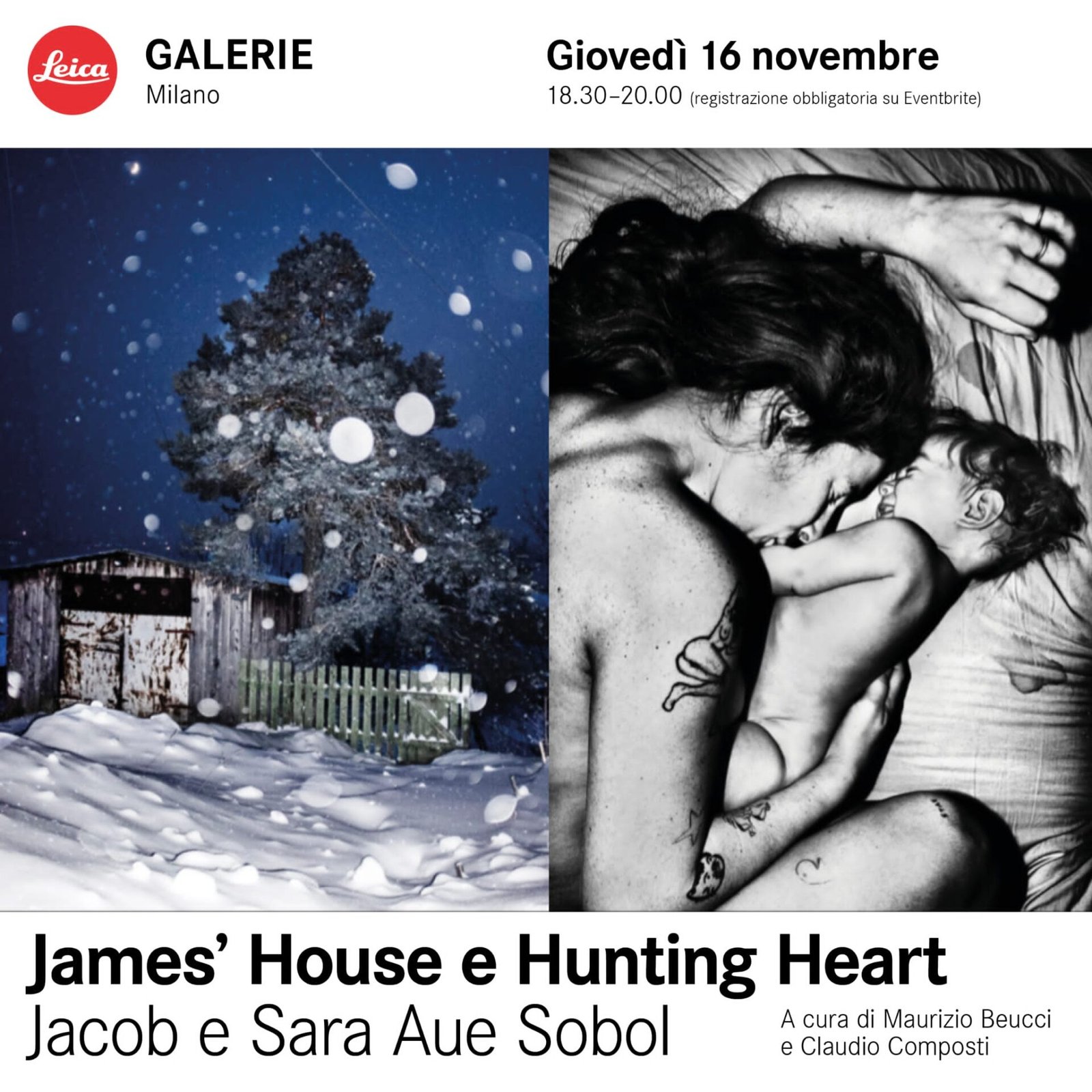
There, the meeting with James marked his future. He hosted him in his house. Jacob found a sense of family there and perhaps a father figure. He taught him how to hunt and fish to provide for his family. He taught him when to speak and when to be silent. How to be present. “For the years I was in Tiniteqilaaq, James’ house felt like the center of the universe. It was a house full of laughter, tears and silence. A place of warmth and embrace. Today the house is empty…” recalls Sobol. He was like a father to him, as he himself is today. This book is a reminder of the time and love he shared with James and his children. James’ House is the second book in the Greenland Trilogy. All of Jacob’s photographs are ultimately love stories. Love for life. For the other. For the family. “James’ House” and even more so “Hunting Heart” are love stories. A second experience that changed him was the meeting with Sara, with whom he had his two children and with whom he shares his life and approach to photography – she is also a photographer – and co-author of this project on display. Their entire world is told in one continuous shot, like a flow of consciousness through images, in an inseparable circle that makes up their daily life. Even in the deepest intimacy of childbirth. Two “hunter hearts” who recognized and chose each other, finding their “strawberry place”. There, on the small Danish island, the rhythms of nature, fishing – which for him means providing for his family, as he learned from James – photography and love mark the rhythms of their existence. She uses color. Jacob uses extreme, flashed black and white. That sudden cast of light on his subjects underlines their intimacy. The camera is an extension of him looking at the world. For him photography is an instrument of knowledge, of others and of oneself. He doesn’t plan what to shoot. He just does it. How to breathe. How to speak, for him so taciturn and reserved. His photography becomes a free zone in which to express instincts and emotions, it is an introspective journey to meditate on the nature of things through images. Sobol does not get fleetingly close to his subjects. Not even when it’s a brief encounter, attracted by a face or a situation. Sometimes, he shares their daily life. Sobol cancels distances, which become decidedly intimate. From the first moment, his photograph takes the form of a personal and travel diary and is so close to the person he portrays that it makes us forget his presence and leave our gaze alone in the encounter with the other.
Text by Claudio Composti