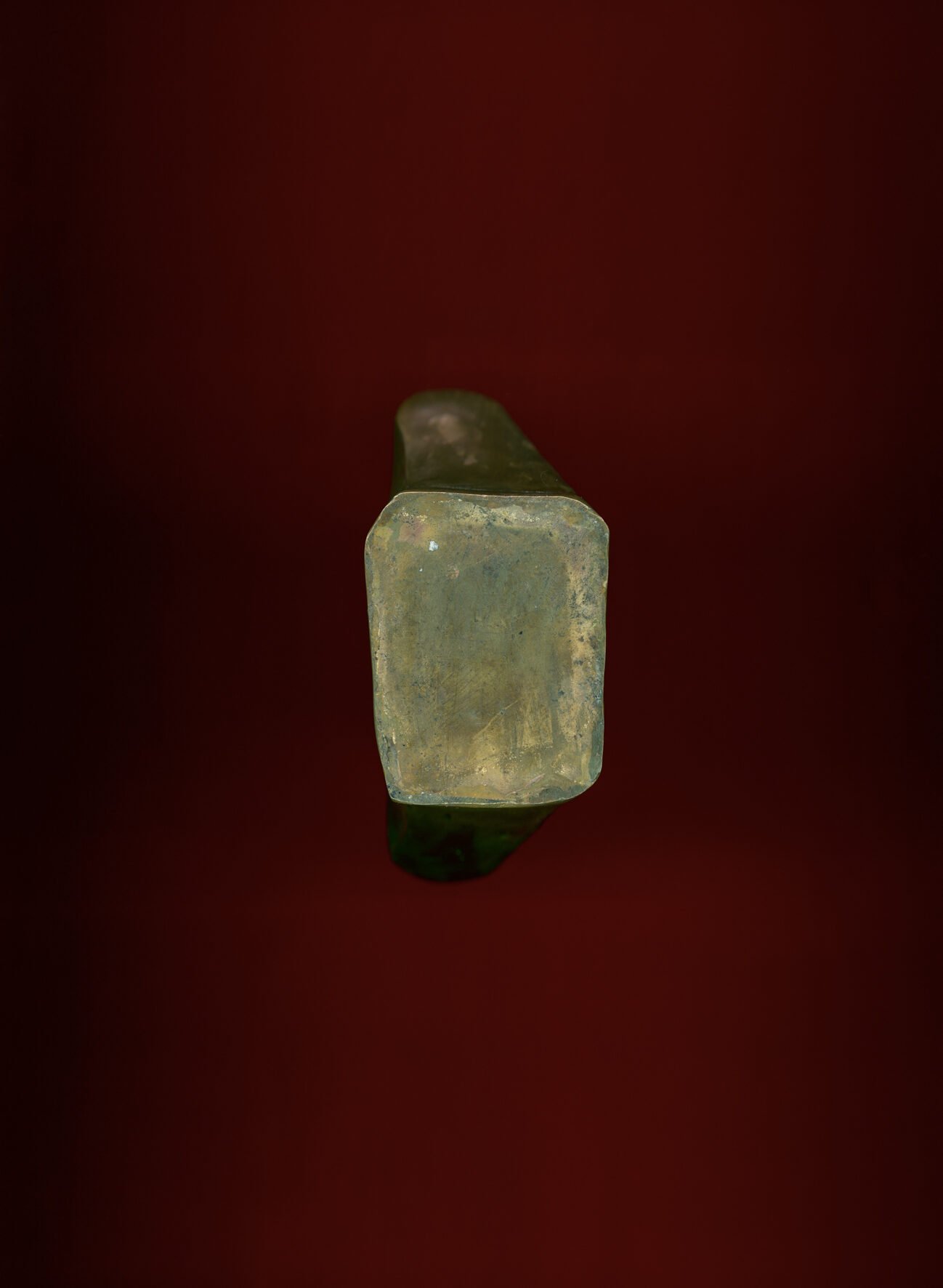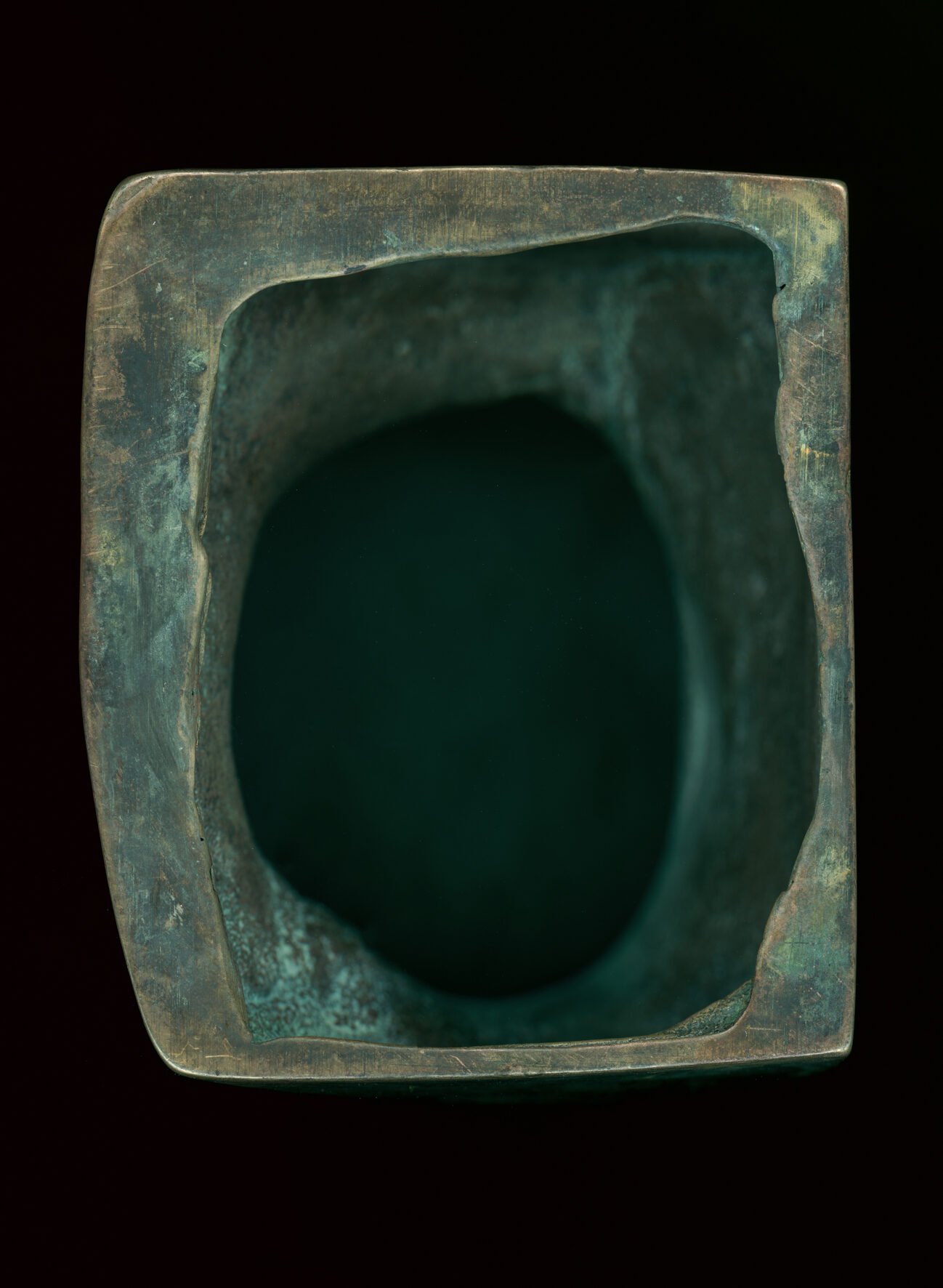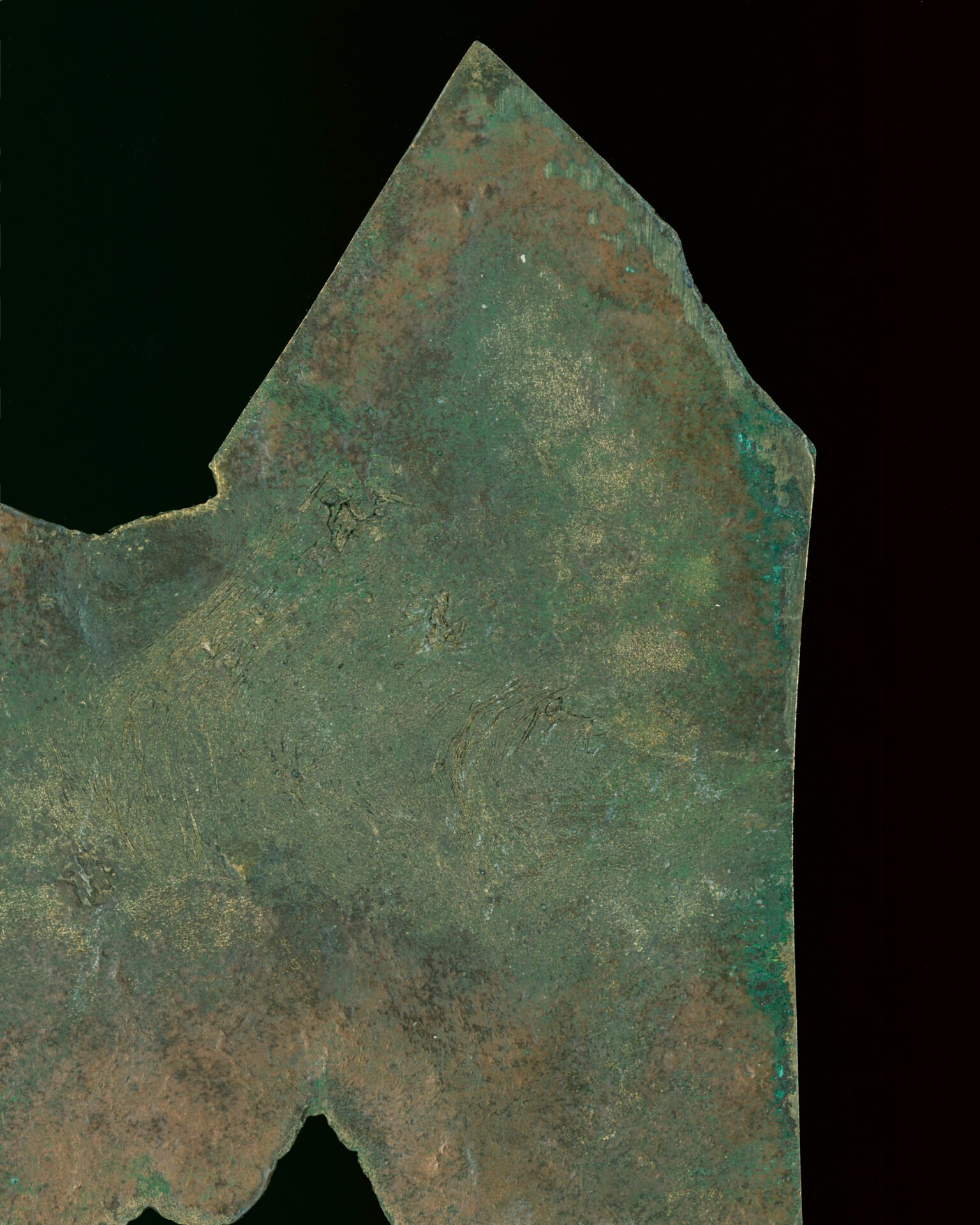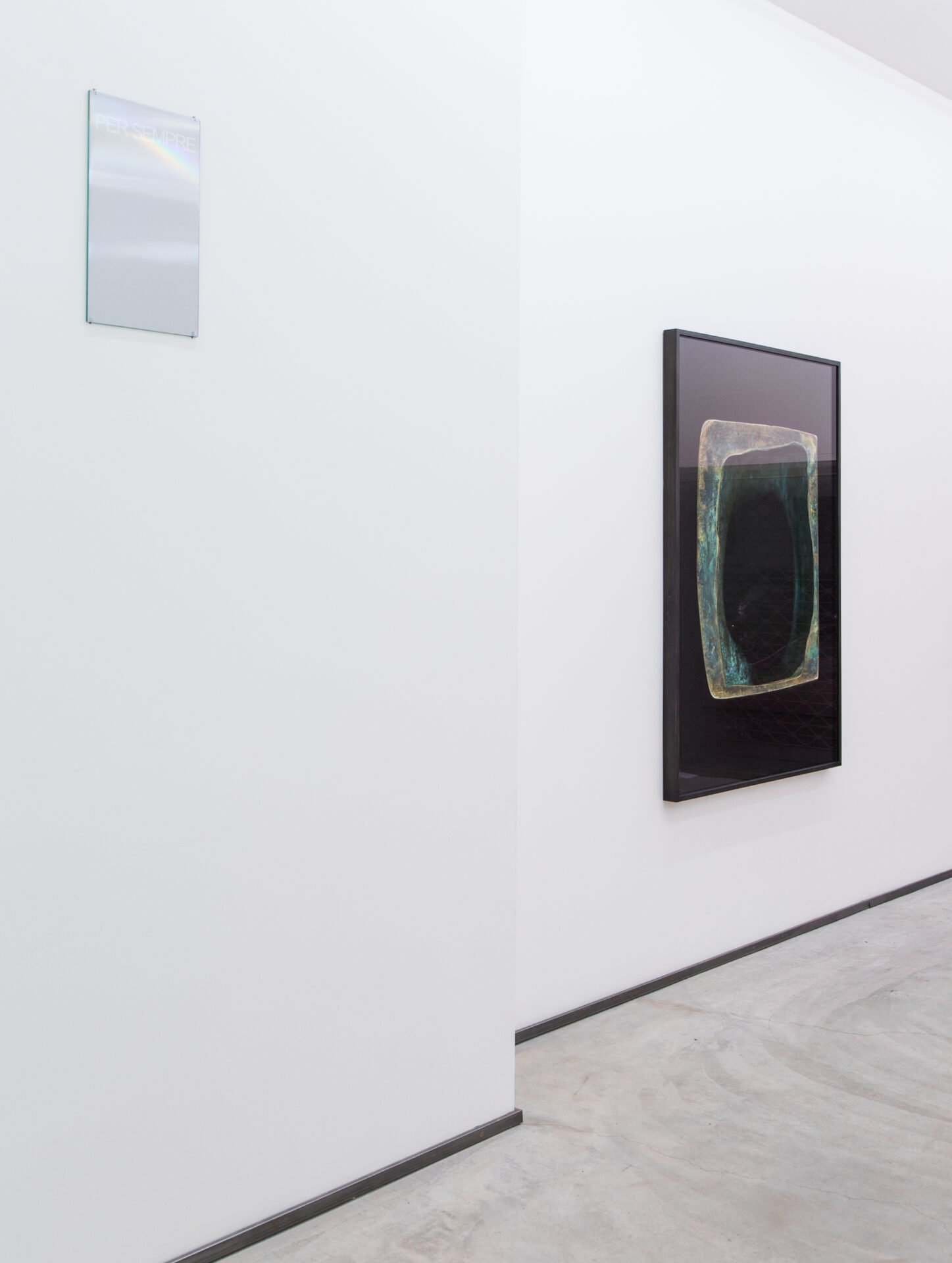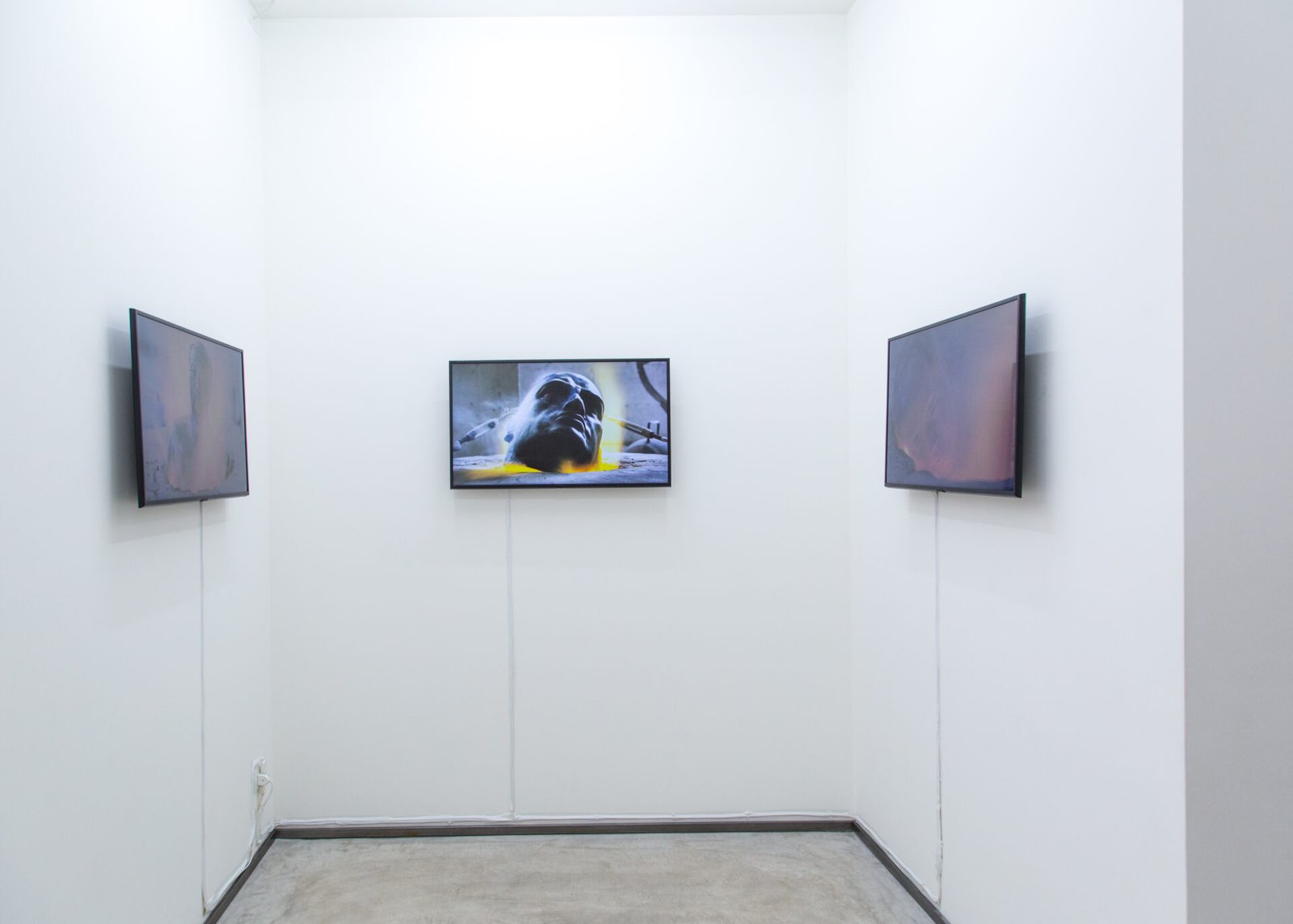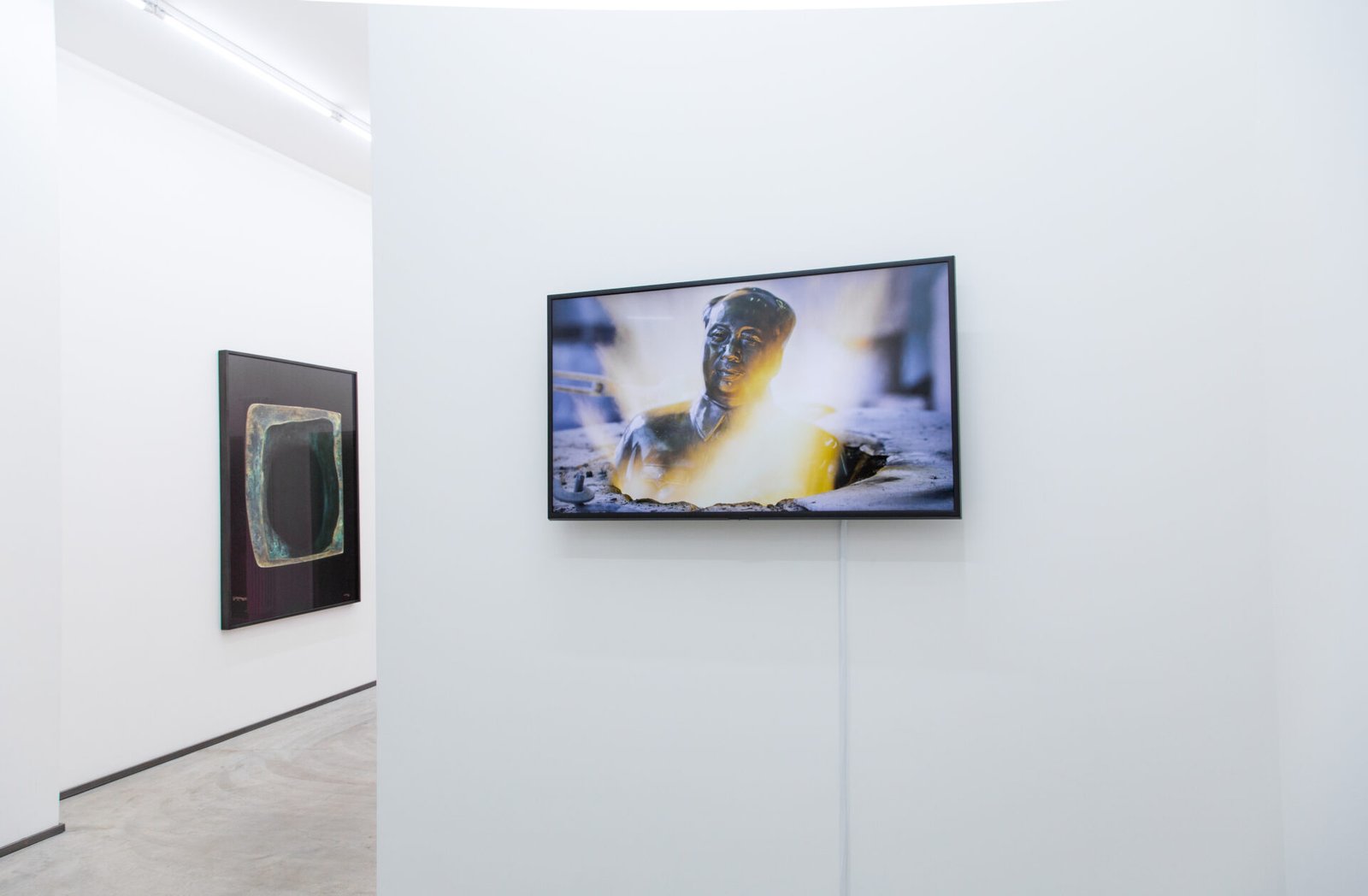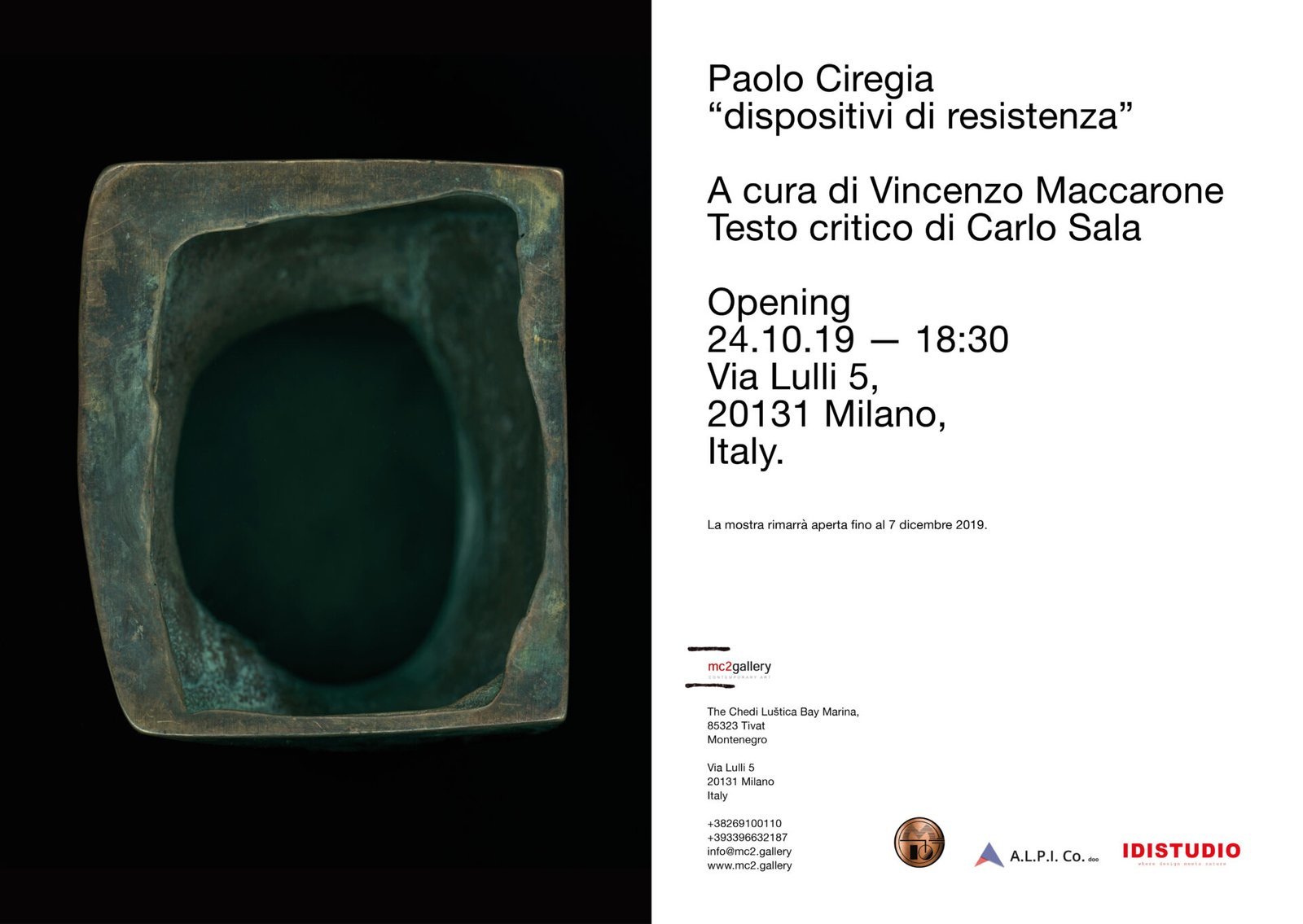
The features of the work are replaced by those of a pomegranate grain that inevitably brings to mind a long iconographic tradition. We are faced with a sculptural element that in its shapeless ambiguity and in its near- zero aesthetic level possesses its major dialectical virtues since it is configured as a radical expressive device (which ideally “macerates” and annuls the imaginaries of modernity in its belly) capable of to induce the user to conceive new epiphanies of gaze and thought. In the video work four screens appear that show the various busts in sync during their fusion through a montage that transmits only a few seconds in a loop to prevent understanding whether the objects are actually melting or vice versa if the flame is symbolically feeding them. In this sense, these works (like the precedents linked to modern history) do not have a memorialistic nature, but they want to trigger a dialogical relationship between past and present, asking what ideological “slag” of the last century arrived in other forms in today’s society characterised by emergence of nationalisms, from the phenomena of social and racial exclusion and from the tensions that run through Europe.
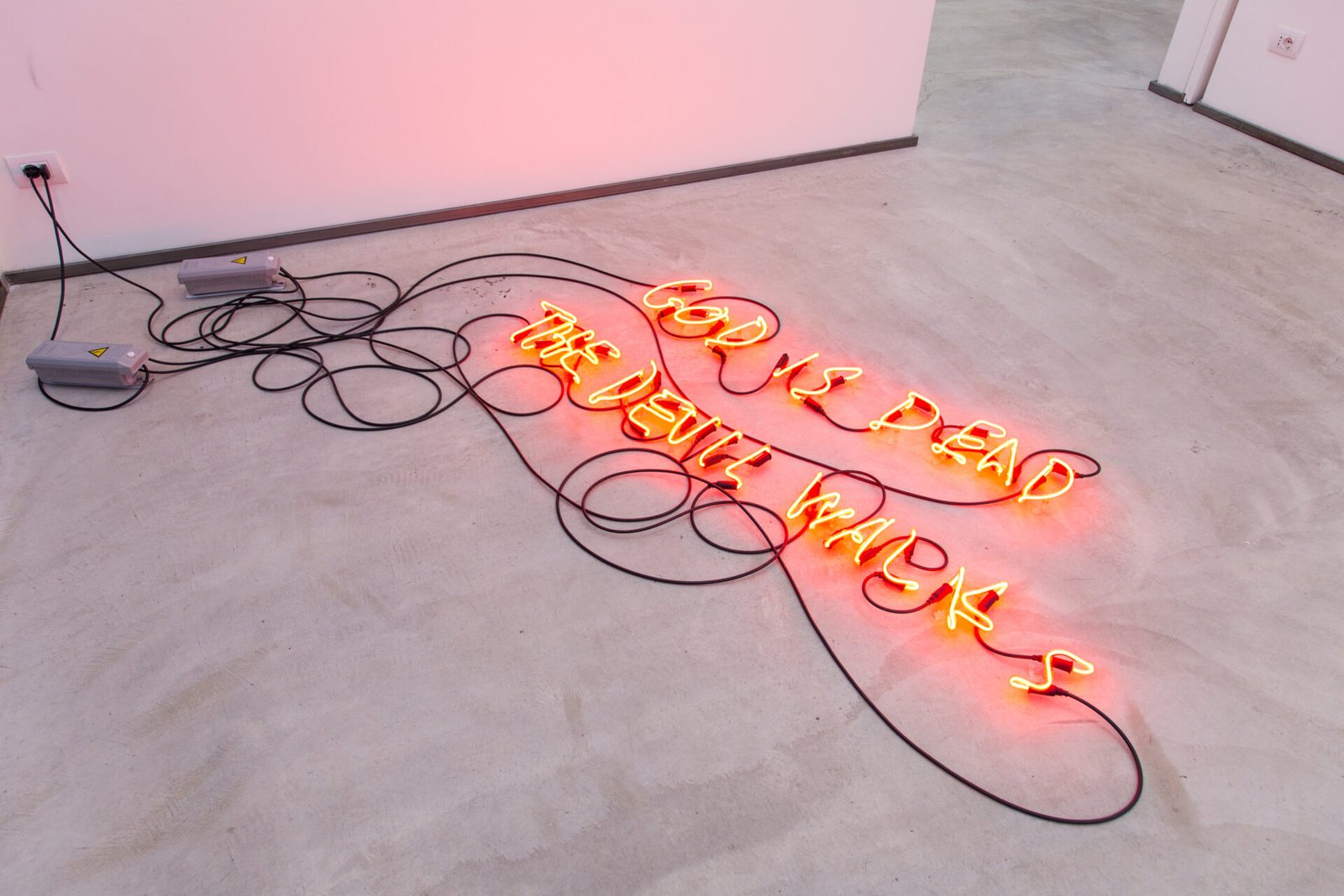
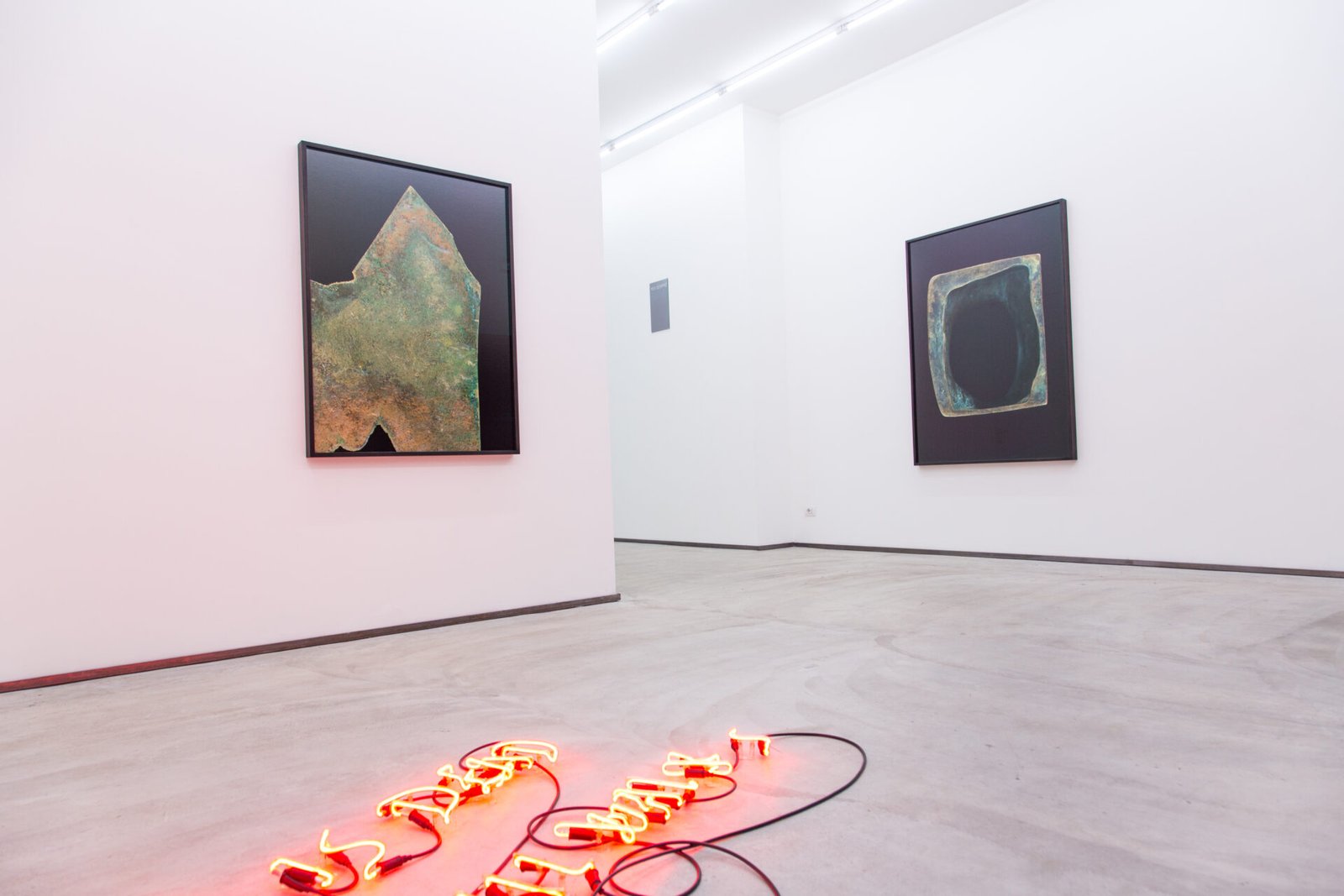
A considerable number of recent works by Ciregia refer to the conflict of the Donbass in Ukraine, a period in which the artist has matured new ethical and aesthetic awareness. The work Intermezzo (2019) is born from the sounds recorded by the author during the bombings at Donetsk airport: the listener perceives a soundscape that blends the raw sounds of sudden shots, violent explosions and the impetuous passing of planes with the slight chirping of little birds realising a disarming comparison between the destructive power of anthropic action and the ability of nature to restore balance despite human brutality. The ideal closure of the exhibition is the sculpture bearing the neon inscription God is dead and the Devil walks of 2019, a work with a nihilistic flavour that testifies to the author’s distrust in the processes of history that often lead people to make mistakes again passed. The allusion to God, devoid of theological values, refers to the leaders of the twentieth century who were subject to the cult of personality; in this sense, the fall of these “divinities” caused by the libertarian reform processes has led in many cases to the “walking” of new “demons”. To use the artist’s words: «My vision of history is unfortunately cyclical. No doubt I was very influenced by my experience in war and by having witnessed the umpteenth failure of a revolution, like that Ukrainian, which quickly by popular revolt has turned into the system where the insecurity of the majority feeds the power of a minority».
Carlo Sala